Movement Therapy for Chronic Pain

In personalized 1:1 sessions, we discover the habitual patterns contributing to your pain and retrain your body—so you can find lasting relief and get back to what you love.

Living with chronic pain changes everything.
Simple movements that used to feel effortless can become uncertain. The exhaustion of living in pain can leave you feeling depleted. You might even find yourself avoiding activities you used to love because you’re worried about making the pain worse. Perhaps you feel like you’ve tried everything, and nothing has helped. And through it all, you wonder why it's so hard to find your way out of pain, even though you've successfully handled so much else in life.
You don’t need to figure out a way out of pain alone.
The reason why so many smart, capable people can’t navigate their way out of chronic pain is because they aren’t aware of what’s actually causing it. Often, where the pain is isn’t the problem. Chronic pain lives in the body and the mind, and relieving it requires an approach that integrates both.
Here’s why…
The Body

When something hurts, you naturally look for ways to avoid that pain. You might shift weight off a sore knee, favor one side while lifting, or hold your shoulder differently to protect an aching neck. These adjustments are called compensations.
The longer you live with pain, the more these compensations become your new normal, often without you even realizing it. Muscles that were never meant to do certain jobs start overworking, while others go underused and weaken.
Over time, these compensations can create new sources of pain and tension in areas that had nothing to do with your original problem, making it even harder to pinpoint what's actually going on. And it’s nearly impossible to recognize these compensations in your own body, because they happen without you even realizing it.

The Mind
When you injure something acutely, like spraining an ankle, pain shows up as your body's alarm system. It works exactly as designed — protecting the area while it heals. Ideally, the pain fades once the tissue is repaired.
Chronic pain works differently. When you've been living with pain for months or years, your nervous system itself can change — becoming more sensitive and reactive, sometimes continuing to send pain signals long after any original injury or surgery has healed.
Your mind is responding to a threat that’s no longer there by sending pain signals to protect you. This is part of why chronic pain can feel so confusing and frustrating: it's very real, but it's no longer just a straightforward signal of tissue damage. It's a nervous system that's learned to be on high alert.
Movement Therapy addresses both the body and the mind.
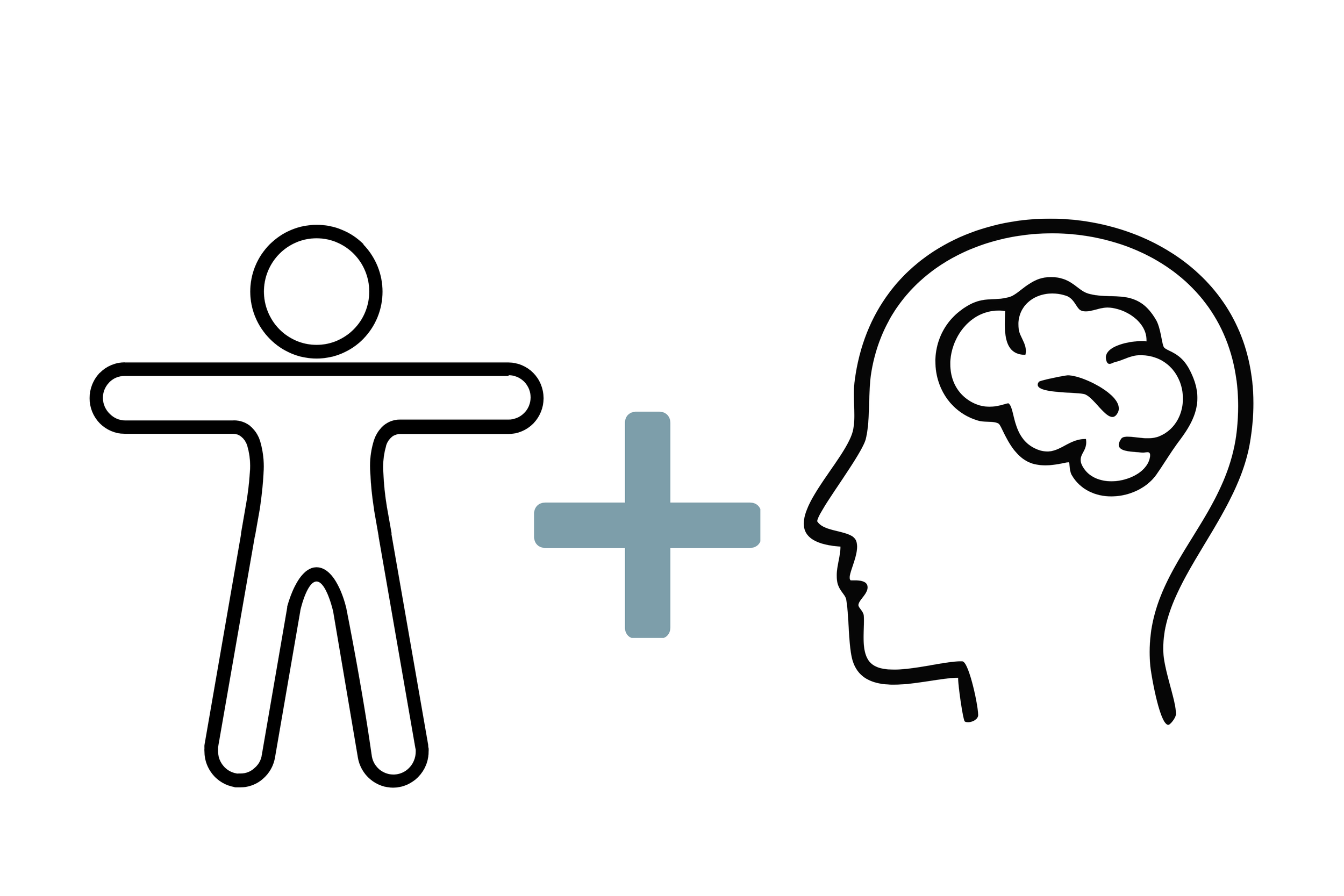
In each 60-minute session, you’ll team with Kendra to identify the compensations your body has picked up — the shifted weight, the guarded shoulder, the overworked muscles standing in for weaker ones — and gently unwind them.
Through gradual, guided movement, you can retrain your nervous system, rebuild strength and confidence in your body, and expand what feels safe and possible again. It's not about pushing through pain — it's about finding the right entry points that help you relearn trust in your own movement, one step at a time.

“My one-on-one sessions with Kendra have literally changed my life, both physically and mentally. She has helped me so much with my back and taught me how to listen to my body and move in a way that feels good and safe for me. But what I didn't expect was how much it would change me mentally too. I've learned to slow down, breathe, let things go, and handle stress so differently. I'm stronger, calmer, and much more connected to myself. These sessions have truly made a difference in my everyday life.”
-Martha B.
Frequently Asked Questions

-
Your first session is about getting a clear picture of where you're starting from and working together to create a plan. You'll talk through your pain history, what movements feel difficult or worrisome, and what you're hoping to get back to in your life. From there, Kendra will guide you through some gentle movement assessments to understand how your body is compensating and where it might be bracing or guarding. Finally, you’ll learn a few simple movements to practice at home before your next session. By the end, you'll walk away with a clearer understanding of what's happening in your body and a sense of what the path forward will look like.
-
Every session starts with understanding where you are that day — your pain, your energy, what's feeling tight or guarded — and what you noticed between sessions. From there, you'll work through movements designed to meet your body where it's at, teaching it how to move without compensations and feel safe and stable enough to calm the nervous system. Sessions are collaborative; you're never just following instructions passively. You’ll leave each session with new movements to practice at home, so you can keep moving forward.
-
Movement therapy often overlaps with physical therapy, but they’re not the same. Physical therapy tends to focus on a specific injury or diagnosis — evaluating what's wrong, then building a plan to restore function or reduce pain in that area. It's often short-term, with clear clinical benchmarks for progress.
Movement Therapy takes a more integrative approach. While it addresses physical patterns — strength, mobility, compensation — it also considers your nervous system, your awareness of how your body moves, and how stress and tension show up in your body. Instead of focusing narrowly on the injured area, it looks at how your entire body moves and compensates, and how compensations in one area may contribute to pain in another.
Many people find the two approaches work well together — physical therapy to address an acute issue, and Movement Therapy to help maintain progress, understand compensations, and build long-term confidence in how you move. People have found success starting Movement Therapy:
while in physical therapy
after “graduating” from physical therapy
having been to physical therapy in the past, but not recently
never having tried physical therapy
-
Not at all. Movement therapy meets you exactly where you are. You don't need any prior fitness level or experience — the work adapts to your body's current capabilities.
-
Yes! Kendra is skilled in building exercise programs that are sustainable, so that you don’t get trapped in the vicious cycle of exercising more, flaring your pain, and having to stop all together. As your pain reduces, you’ll progress into loaded movements, with a focus on keeping your pain down as you ask your body to do more. This is how true, lasting strength is built — by quieting your compensations and loading your body in the way it’s designed to move.
Movement therapy is also the perfect way to prepare for group classes if you want to join them but are hesitant about jumping right in.
-
Yes! As you learn to move better, you’ll automatically begin to feel more stable in your body. But good balance requires more than just physical strength and stability; balance is an interplay between several systems in the body. Through targeted assessments, Kendra can help you identify which systems are strong and which are weaker. You will then learn to use movement to strengthen any weak systems and/or rely more heavily on your strengths.

“Kendra is able to zero in on my problem areas (shoulders and hips) and, with calming expertise, is introducing me to movements that are decreasing my pain and building up my strength and movement abilities. I am so grateful and encouraged.”
-Kathie A.
Book Your Session
In person or online, relief is close by.
Zoom Movement Therapy
In Person Movement Therapy

Orthomed Integrative Health Center
269 W Main St. Northborough, MA

Synergy Wellness Center
45 Main St. Hudson, MA
Coming Soon!
Questions? Let’s Talk!

Schedule a complimentary consultation with Kendra.
We'll discuss your history, current symptoms, goals, and questions. You'll leave with a better understanding of how we'll begin to address your pain and what will be involved in the process.